

Essential Pre and Post-Op Hair Transplant Care: Your Complete Guide
Hair transplants have become a highly sought-after solution for those struggling with hair loss, whether due to genetic factors, medical conditions, or aging. The procedure can restore your natural hairline and boost your confidence. However, achieving the best results requires more than just undergoing the surgery – the right pre and post-operative care are essential for a successful outcome.

Preparing for Hair Transplant Surgery
Choosing the Right Hair Surgeon and Technique
- Research the hair transplant surgeon’s experience and success rates
- Discuss your hair growth goals and expectations with the surgeon
- Choose a technique that suits your hair type and needs (e.g. DHI, Sapphire, Percutaneous)
- Consider the clinic’s reputation and qualifications
Realistic Expectations and Hair Growth Goals
- Understand that hair transplantation is a permanent solution to hair loss
- Set realistic expectations for hair growth and regrowth
- Discuss your hair growth goals with the surgeon and create a personalized plan
- Understand that every individual responds differently to the procedure
Pre and Post-Op Hair Transplant Care: Procedure Day Care
Pre-Procedure Preparation
- Stop taking anti-inflammatory medications and blood thinners 1 week before surgery
- Avoid smoking and excessive drinking 1 week before surgery
- Wash your hair thoroughly before the procedure
- Wear comfortable clothing and avoid applying styling products
Immediate Post-Procedure Care
- Follow the surgeon’s instructions for post-operative care
- Keep your head elevated to reduce swelling
- Avoid direct sunlight and excessive heat
- Use mild shampoo and lukewarm water for hair wash
Hair Transplant Recovery and Aftercare
Hair Wash and Lotion Application
- Wash your hair gently with mild shampoo 2 days after surgery
- Apply lotion to the transplanted area as instructed by the surgeon
- Avoid using harsh chemicals or excessive heat
- Keep the scalp cool and dry to promote healing
Post-Operative Hair Growth Cycle
- Understand that new hair growth occurs 3-6 months after surgery
- Transplanted hair follicles thicken and blend in with existing hair 6-9 months after surgery
- Follow the surgeon’s instructions for post-operative hair growth cycle
- Consider using PRP treatment to enhance hair growth
Post-Operative Restrictions and Maintenance
Strenuous Exercise and Physical Activity
- Avoid strenuous exercise for 7-10 days after surgery
- Avoid activities that make your new hair follicles sweaty
- Gradually increase physical activity as instructed by the surgeon
Hair Styling Products and Excessive Sunlight or Heat
- Avoid using hair styling products that contain harsh chemicals
- Avoid excessive sunlight or heat for 1 week after surgery
- Use a hat or sunscreen to protect your scalp from direct sunlight
Follow-Up Care and Long-Term Maintenance
- Schedule follow-up appointments with the surgeon to monitor hair growth
- Follow the surgeon’s instructions for long-term hair care and maintenance
- Consider using hair growth supplements or medications as recommended by the surgeon
- Maintain a healthy lifestyle to promote hair growth and overall health
Long-Term Care: Ensuring Healthy, Full Growth
Hair transplants offer permanent results, but maintaining your new hair involves long-term care:
1. Minoxidil and Finasteride
After your transplant, your surgeon may recommend topical treatments like minoxidil or oral medications like finasteride to prevent further hair loss and promote regrowth. Discuss with your surgeon whether these options are suitable for you.
2. Healthy Lifestyle Choices
Maintaining a healthy diet and avoiding smoking and excessive alcohol consumption will support your skin and hair growth in the long run. Good nutrition, including biotin, zinc, and other hair-friendly vitamins, can help maintain healthy hair.
3. Regular Follow-Up Appointments
Stay in touch with your surgeon for regular follow-up appointments, especially in the first year after your transplant. These visits ensure that your hair is growing as expected, and any concerns can be addressed promptly.
Hair Transplant Procedure: A Step-by-Step Guide
A full hair transplantation is a surgical procedure that involves moving hair follicles from one part of the scalp (the donor area) to an area experiencing hair thinning or baldness (the recipient area). The procedure is commonly used to treat male pattern baldness, female hair thinning, and other forms of hair loss. Below is a breakdown of the typical hair transplant procedure.
Step 1: Consultation and Planning
Before the procedure, you will have a consultation with medical team and your surgeon to discuss your hair loss pattern, goals, and the best approach for your case. During this meeting, your surgeon will:
- Evaluate your hair type, thickness, and the donor area.
- Discuss your expectations and desired outcome.
- Decide on the best technique (FUE or FUT).
- Take photos and plan the design of your hairline.
This is a critical step to ensure the procedure is customized for your needs.
Step 2: Preparation for Surgery
On the first week day of the procedure:
- Shaving the Donor Area: The surgeon may shave part of your scalp (typically the back or sides) to access the donor area more easily.
- Anesthesia: Local anesthesia is administered to numb the donor and recipient areas. This ensures you won’t feel any pain during the procedure. Sedation may also be offered to help you relax.
Step 3: Harvesting Hair Follicles
There are at least two weeks of primary methods for extracting hair follicles during a transplant:
FUE (Follicular Unit Extraction):
- Individual Hair Grafts: In FUE, the surgeon uses a small, circular punch tool to extract individual hair follicles from the donor area.
- Minimally Invasive: There are no linear scars left in the donor area, and healing time is faster than FUT.
- Precise Graft Selection: FUE is a more precise method that allows the surgeon to choose healthy hair follicles for transplantation.
FUT (Follicular Unit Transplantation):
- Strip Harvesting: In FUT, a thin strip of scalp is removed from the donor area, usually the back of the head. The incision is then closed with sutures.
- Graft Preparation: The strip is dissected under a microscope to separate the hair follicles into individual grafts.
- Larger Donor Supply: FUT may be preferred for patients who need a large number of grafts.
Step 4: Creating Recipient Sites
Once the follicles are harvested, your surgeon will prepare the recipient area (the bald or thinning spots) by making tiny incisions or slits in the scalp where the hair follicles will be implanted.
- Incision Size: The incisions are very small to ensure minimal scarring and a natural-looking result.
- Direction and Angle: The surgeon carefully plans the angle and direction of each incision to match the natural growth pattern of your existing hair.
Step 5: Implanting the Hair Follicles
The harvested hair follicles are then meticulously implanted into the recipient area. Each graft is placed one by one, ensuring they are positioned in a way that mimics the natural growth pattern of your hair.
- Precision: The surgeon places the follicles with precision, ensuring they blend seamlessly with your existing hairline.
- Time-Consuming: This step can take several hours, depending on the number of grafts being transplanted.
Step 6: Post-Op Care and Recovery
After the hair follicles are implanted, the procedure is complete, and you’ll be moved to a recovery area for monitoring.
- Dressing and Bandages: A bandage may be placed on the scalp to protect the grafts and absorb any residual fluid.
- Medications: Pain relief and antibiotics may be prescribed to prevent infection and manage any discomfort.
- Rest: It’s important to rest and avoid any strenuous activity for the first few days after the procedure.
Step 7: Healing and Hair Growth
After the procedure, the healing process begins. It’s normal for transplanted hair to fall out within the first 2-3 weeks. This is known as shedding and is a part of the natural hair growth cycle.
- New Hair Growth: New hair will begin to grow back in 3-6 months, with noticeable results after 12-18 months.
- Post-Op Instructions: Follow your surgeon’s post-operative instructions carefully, such as avoiding direct sunlight, not picking at the grafts, and gentle scalp washing.
A successful hair transplant doesn’t end when you leave the clinic – it requires dedication to proper pre and post-operative care. By researching your surgeon, following pre-surgery guidelines, and adhering to post-op care, you’ll be setting yourself up for long-term success and a full, natural-looking head of hair. Remember, the journey to hair restoration requires patience, but with the right care, the results will be worth it!
If you have any specific questions about your upcoming procedure or recovery, don’t hesitate to reach out to contact your surgeon. They’re there to guide you every step of the way!
FAQs
1. How long does it take to see results from a hair transplant?
It typically takes 3-6 months to see noticeable growth from a hair transplant, with the full results becoming visible after 12-18 months. Hair growth progresses gradually, and shedding in the first few weeks is normal.
2. Is the procedure painful?
Most patients experience minimal discomfort during the procedure. Local anesthesia is used to numb the body and scalp, so you won’t feel pain during the transplant. After the procedure, you may feel some soreness or tightness, but pain can usually be managed with prescribed medication.
3. How long does it take to recover from a hair transplant?
Recovery time varies from person to person, but most people can return to work within 3-5 days. Swelling and redness may persist for up to a week, and you should avoid strenuous activities for at least 2 weeks. Full recovery typically takes about 1-2 months.
4. Will I need to take medication after my hair transplant?
In many cases, your surgeon may recommend medications like minoxidil or finasteride to help promote hair growth and prevent further hair loss. Painkillers and antibiotics may also be prescribed during the immediate recovery period.
5. Can a hair transplant be done if I have thinning hair or no hair at all?
Hair transplants work best for individuals with sufficient healthy hair in the donor area, which is typically the back or sides of your scalp. If you have very little hair or are fully bald, your surgeon will evaluate whether you’re a good candidate for the procedure. However, even in cases of advanced hair loss, a transplant can often still yield satisfying results.
You can find more information on our website 360 Hair Clinic
Real Results,
genuine Success Stories
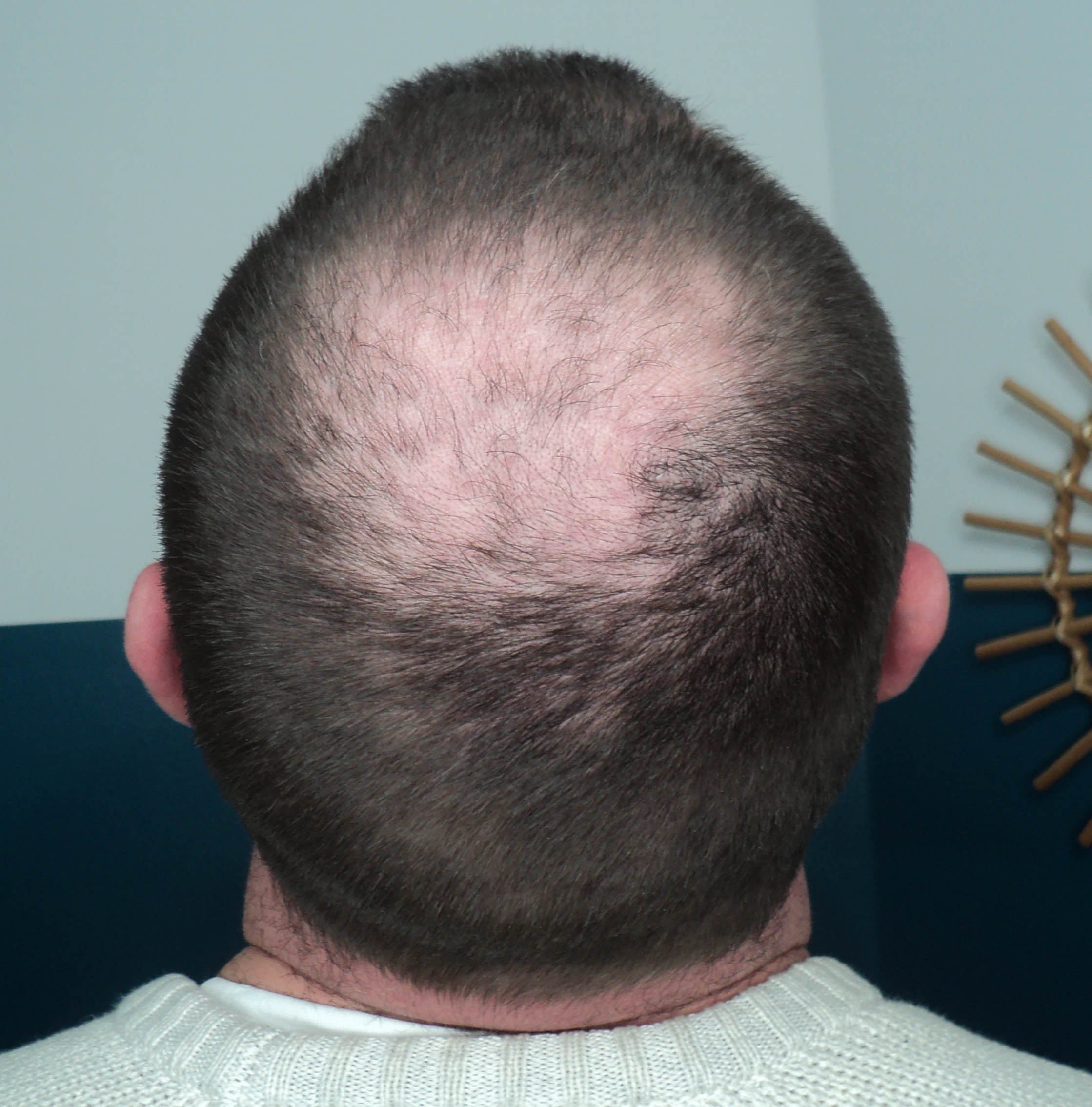
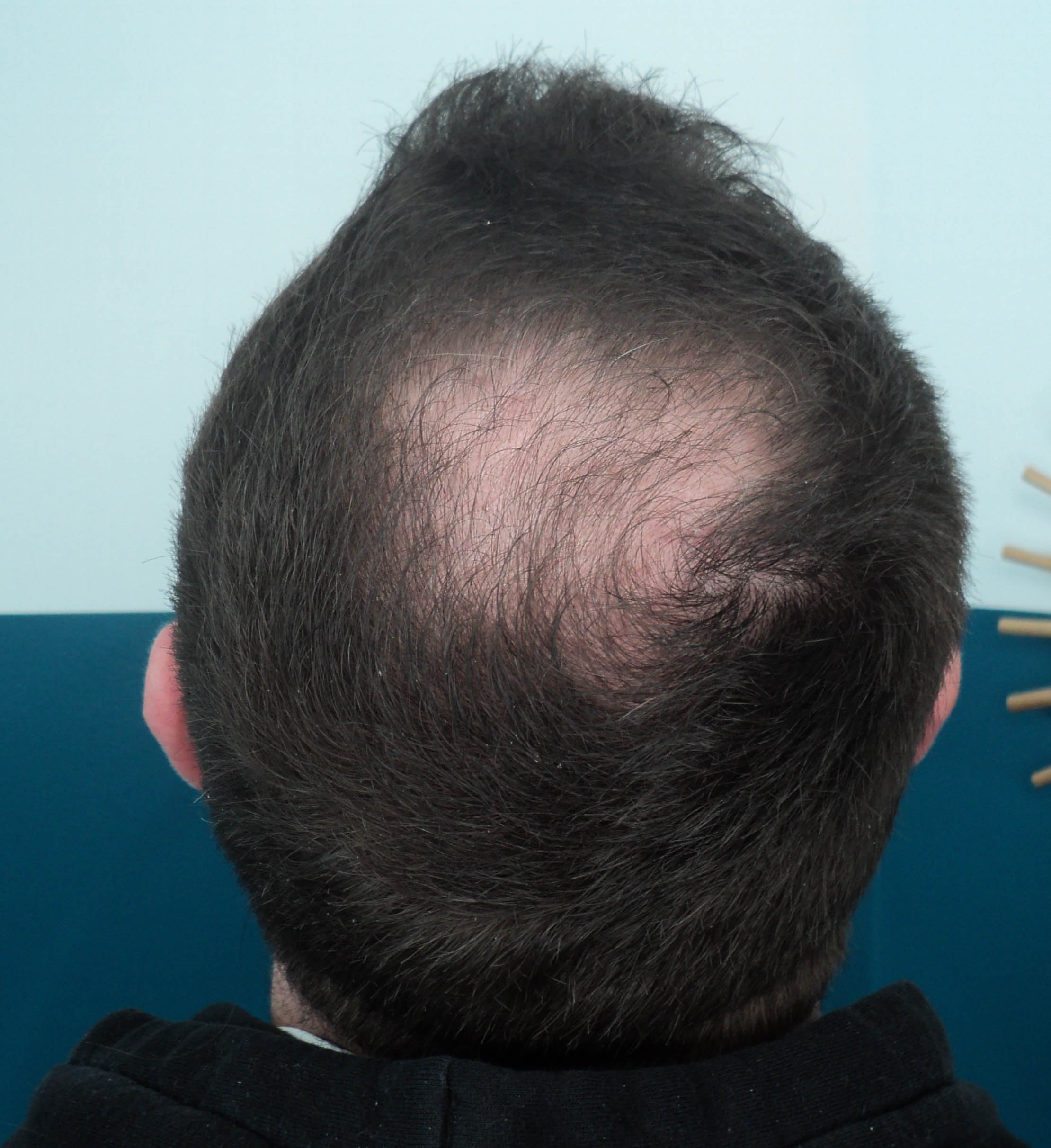
(Website under construction. Hair Transplant surgery images will be uploaded soon. Check again in a few days! Below images are from treatment with 360 Optimum Hair)
360 OPTIMUM HAIR PROGRESS PICTURES:
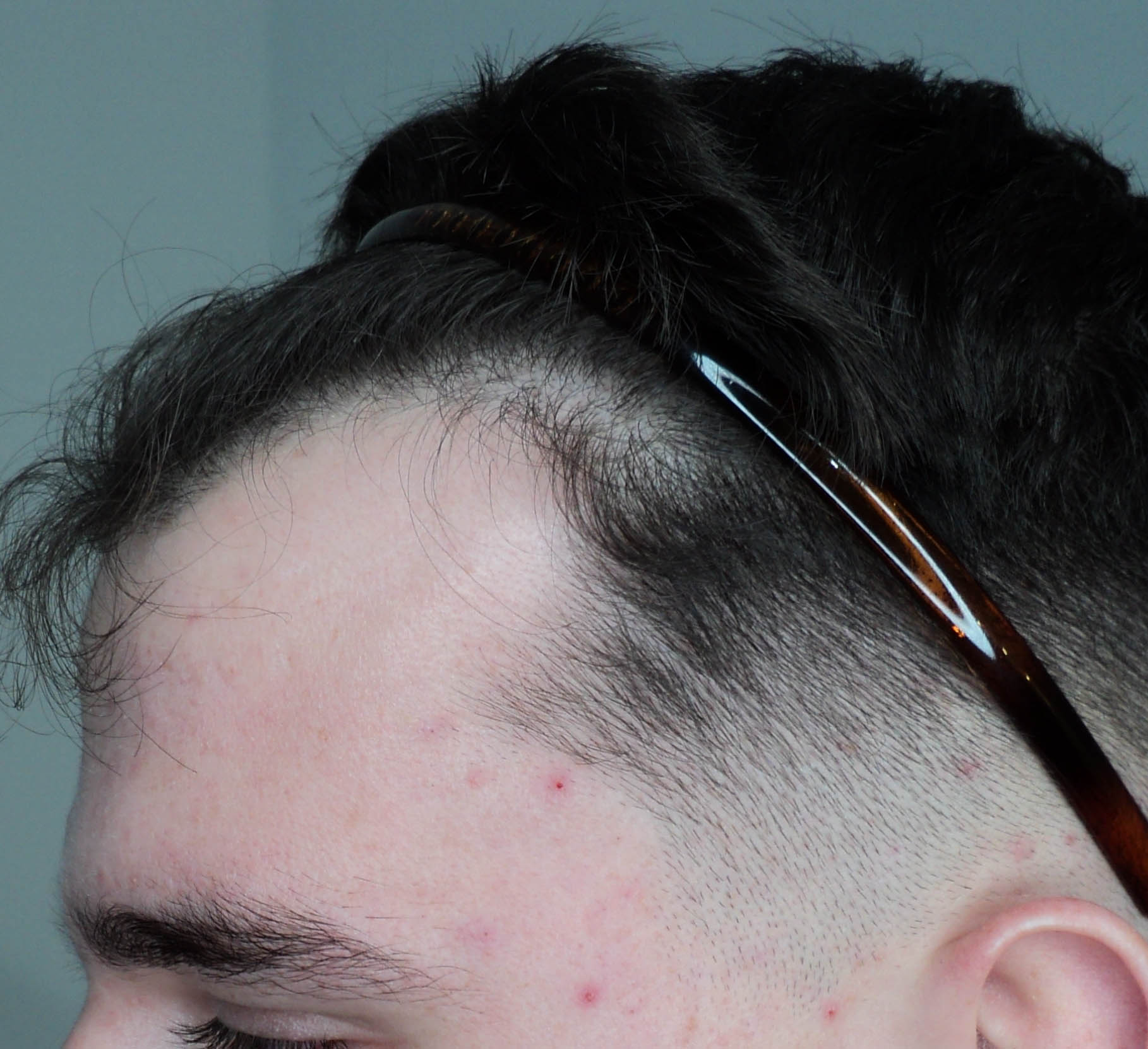
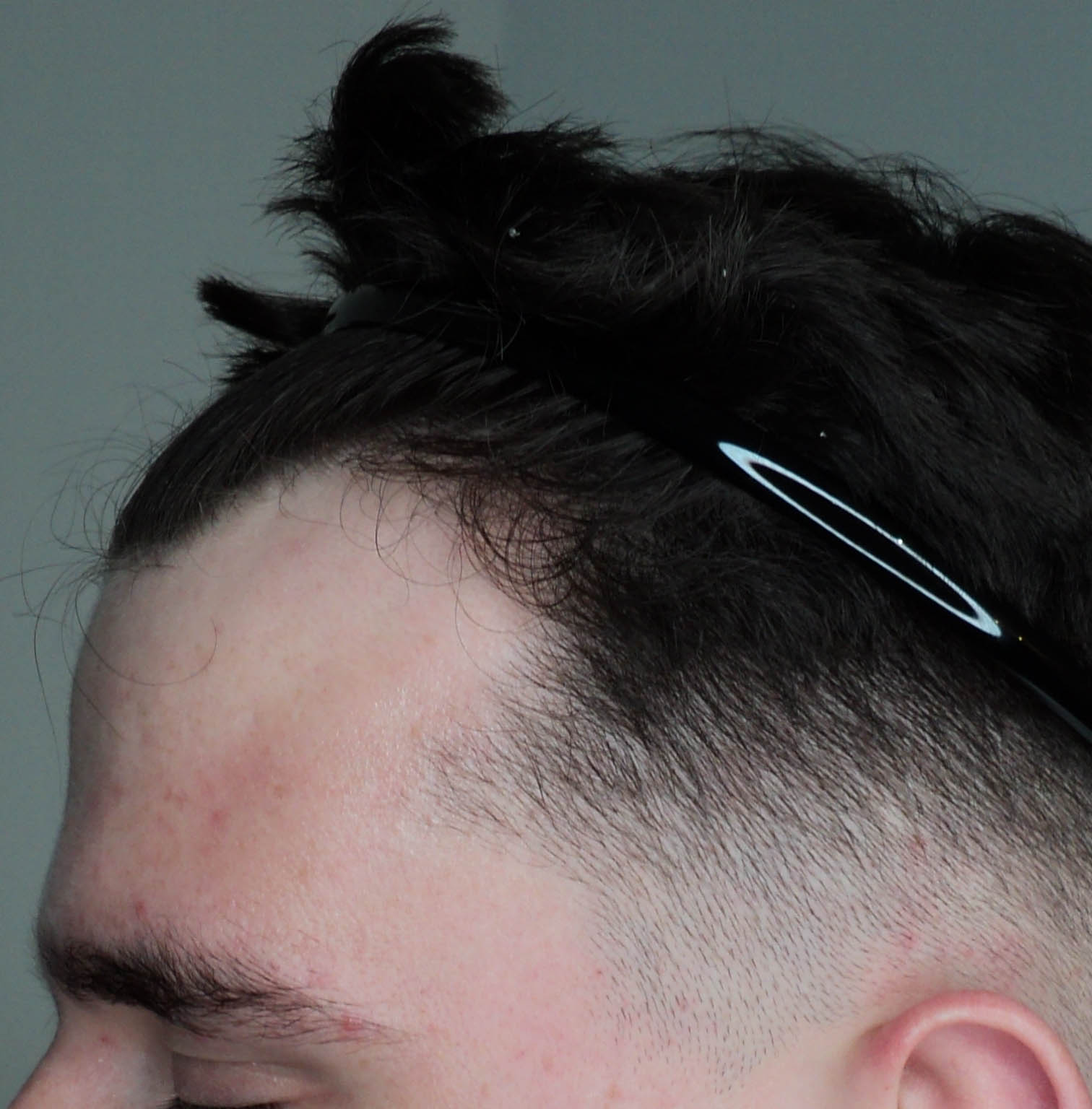
IN JUST 3 MONTHS OF USING 360 OPTIMUM HAIR PRODUCTS I HAVE EXPERIENCED REDUCED SHEDDING, & WITNESSED NEW HAIR GROWTH! THIS HAS DRAMATICALLY IMPROVED MY OVERALL HAIR HEALTH AND BOOSTED MY CONFIDENCE.
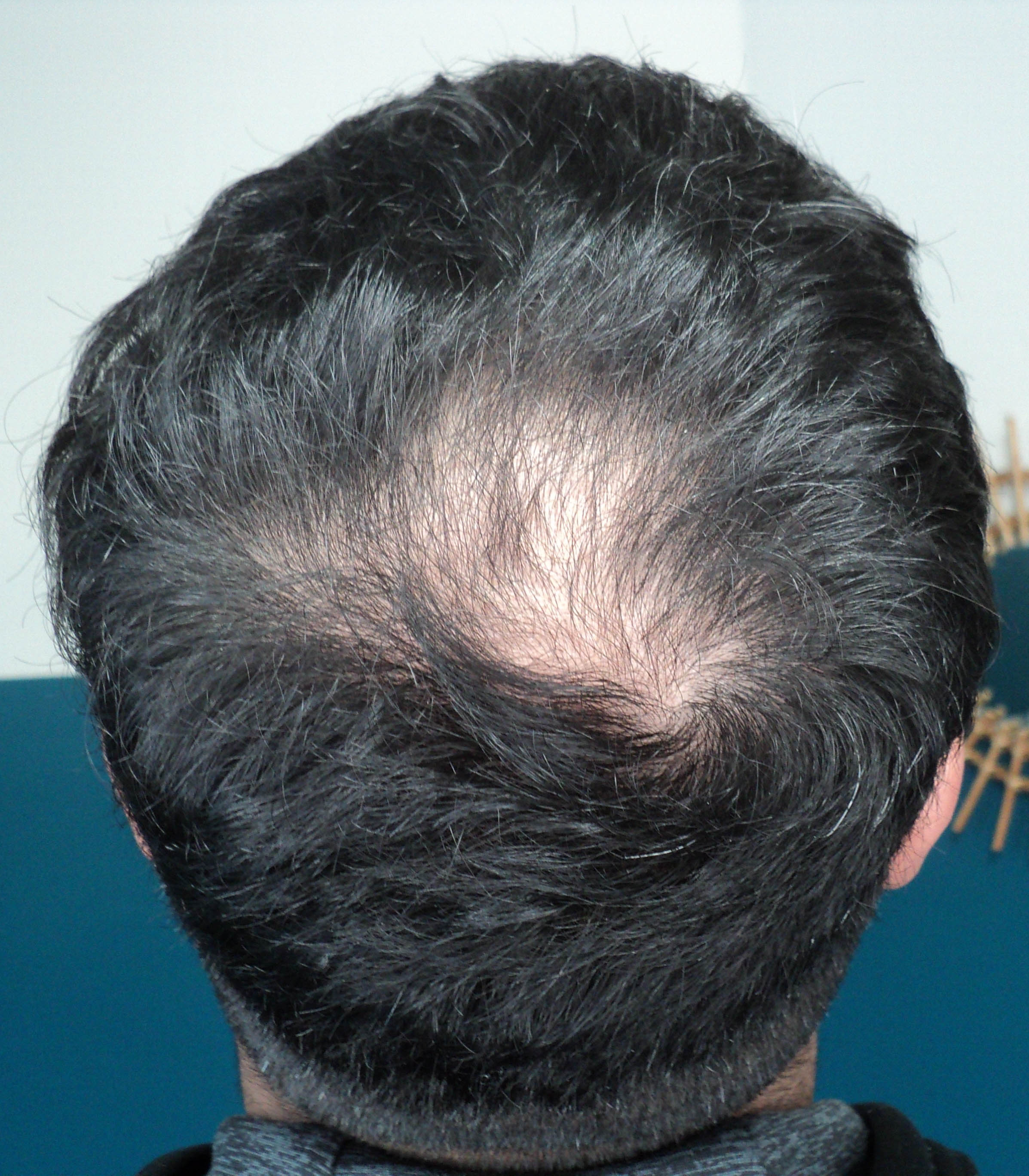
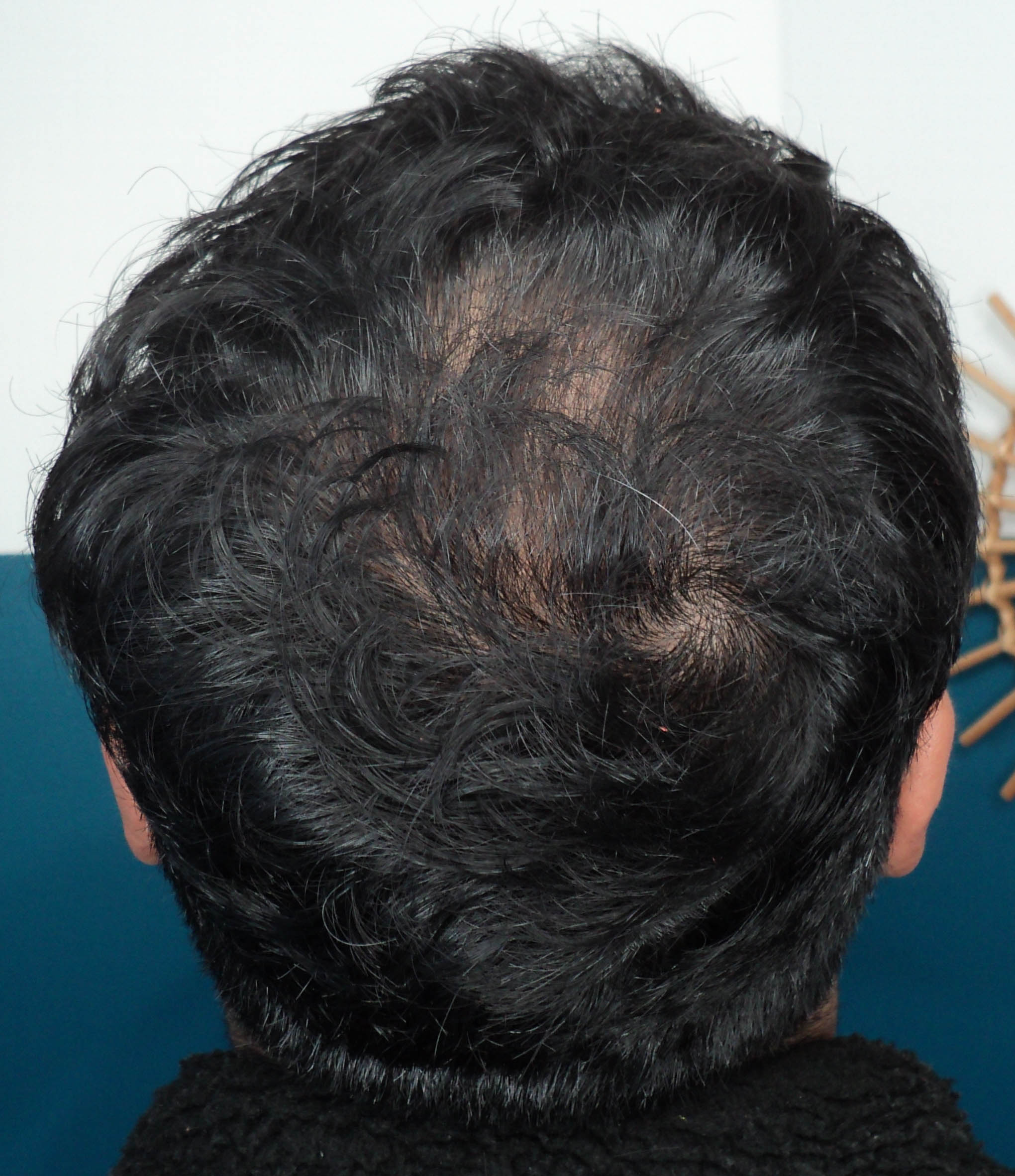
Before6 months
38 year old male, male pattern baldness
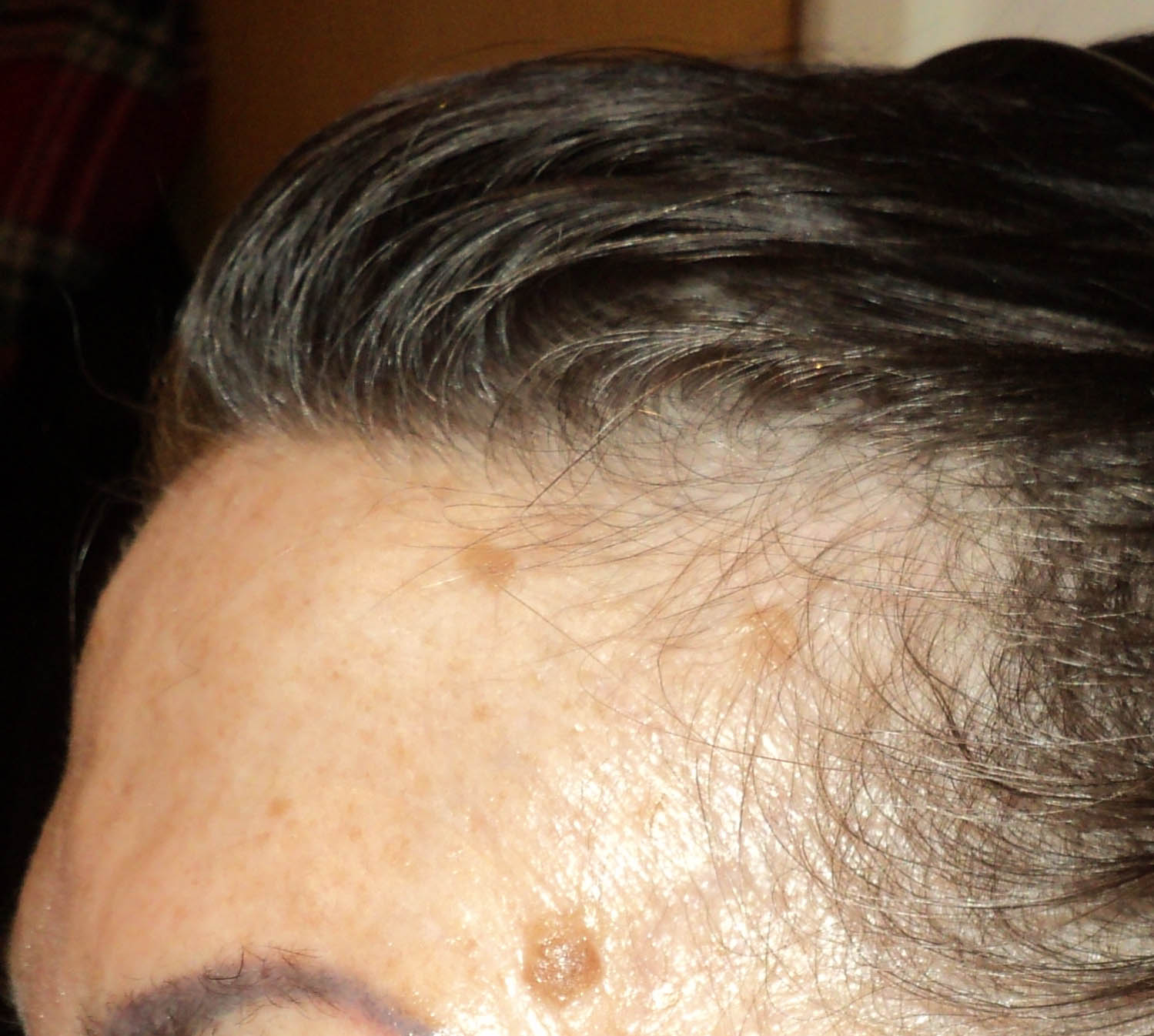
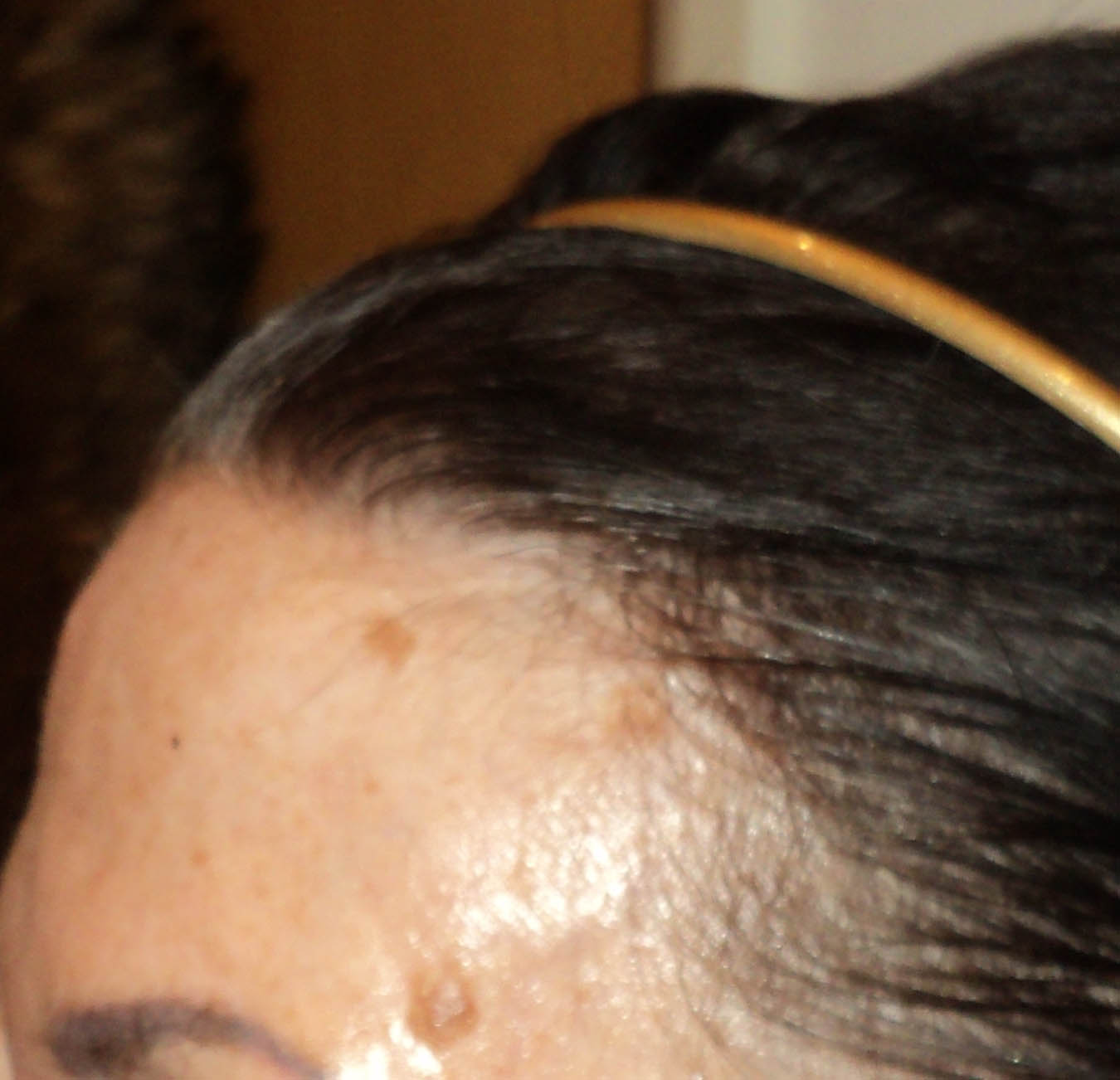
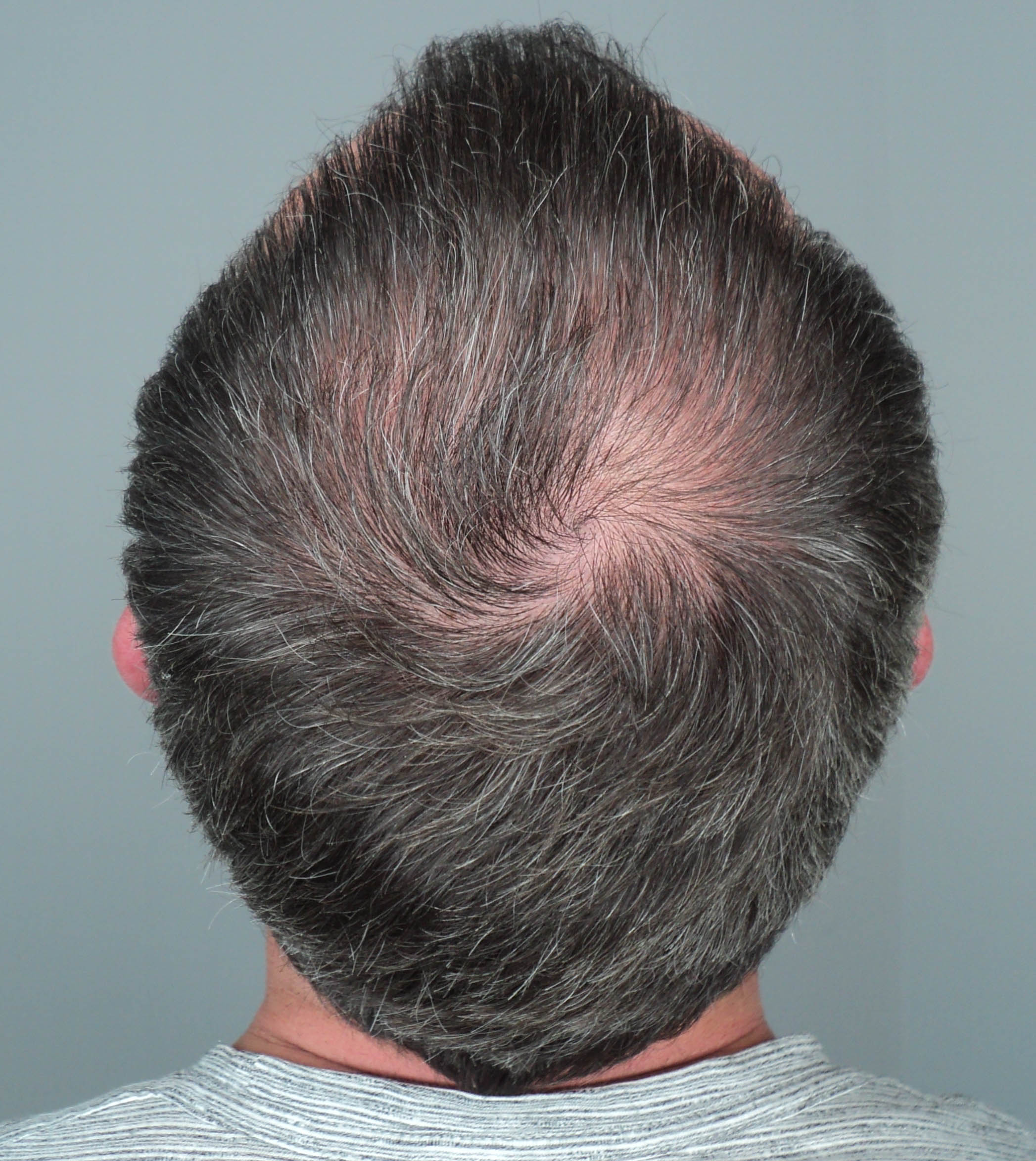
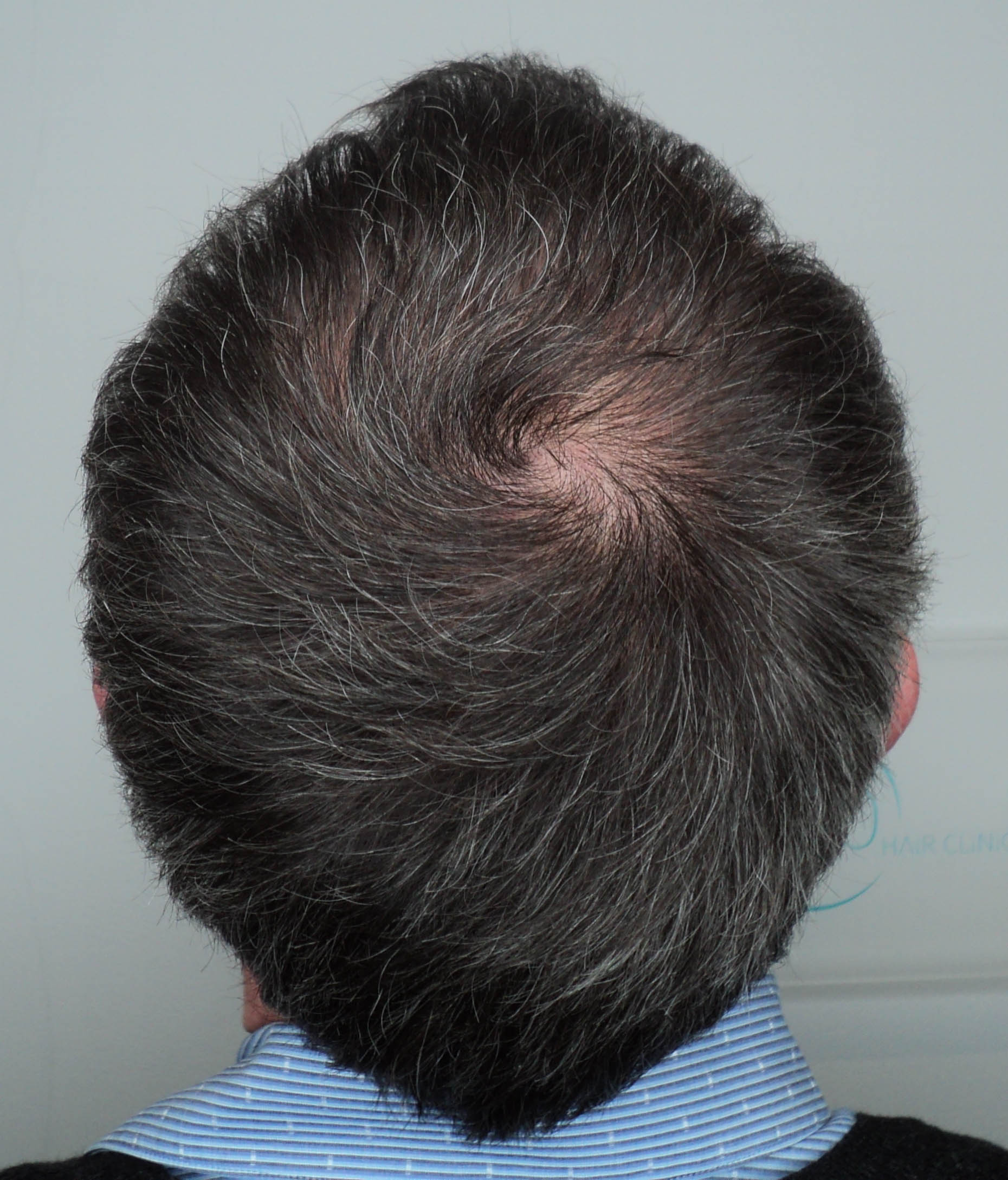
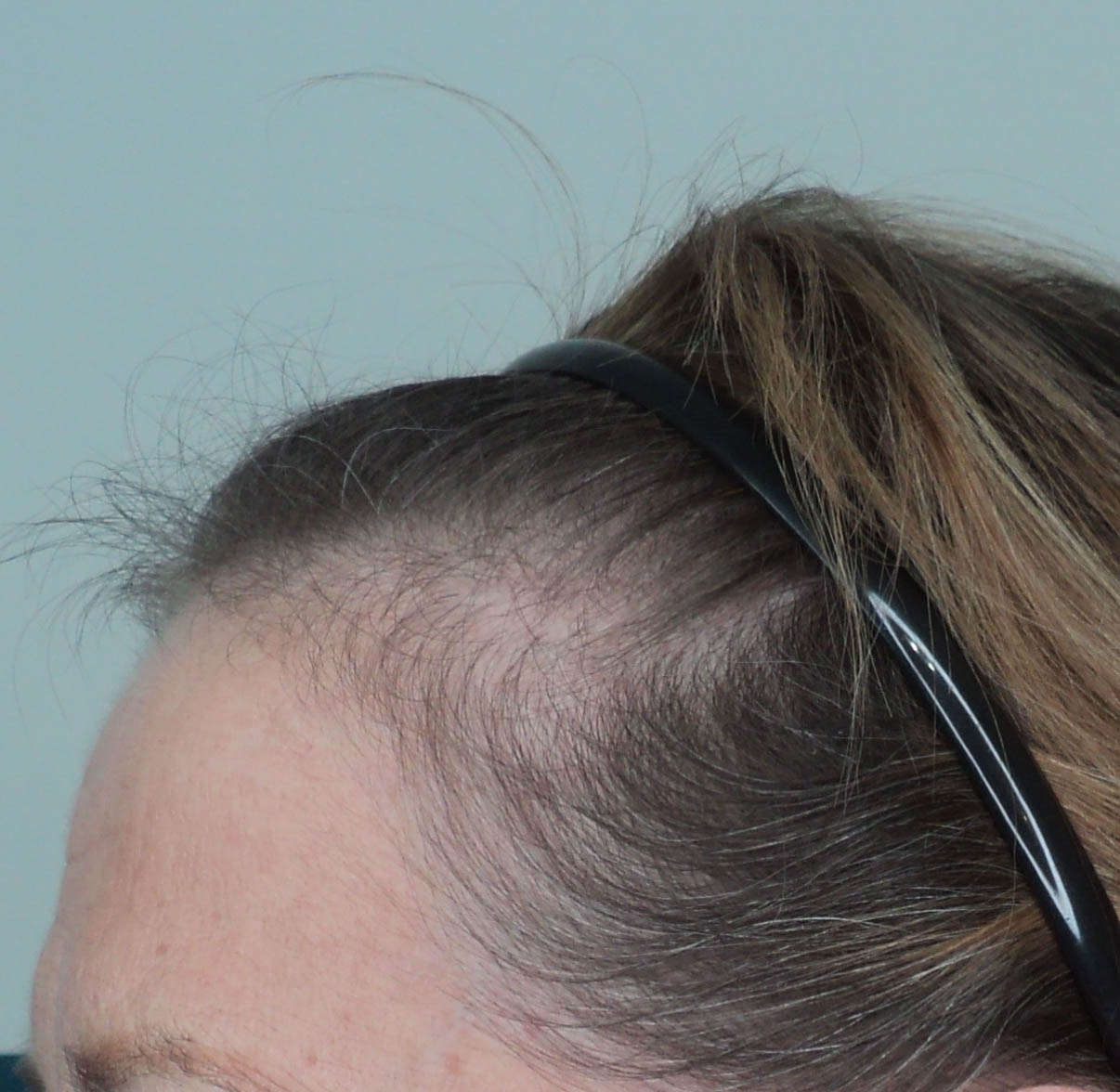
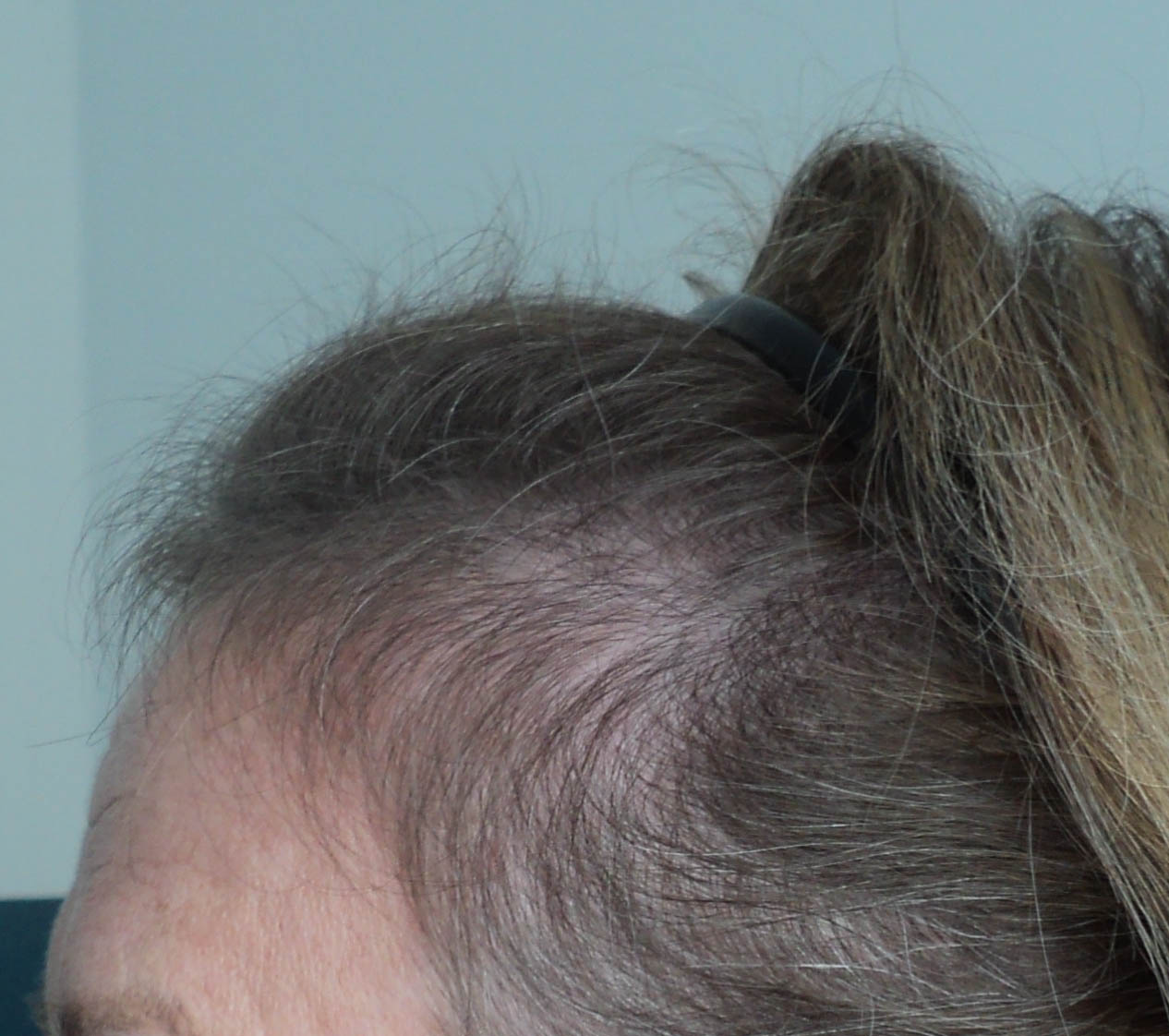
65 year old female, telogen effluvium and female pattern baldness
Hair Transplant Surgery Techniques:
The current standard technique for hair transplants is called: Follicular Unit Extraction.
FUE is an advanced surgical hair restoration technique. It is much less invasive than the older style, traditional FUT hair transplants.
This surgical technique involves removing individual follicle units, known as grafts, and does not leave a linear scar, or require any stitches. Hair follicles are extracted from the donor area, at the back of the scalp. Incisions are then made into the frontal, mid scalp or crown area, and the grafts are placed into the incisions where they will imbed and heal, allowing new hairs to regrow from a previously inactive or balding area.
Sapphire Blade FUE
Sapphire FUE utilizes sapphire blades, which are incredibly precise and gentle, to create tiny incisions for implanting hair follicles. This approach offers numerous benefits, including minimal scarring, faster healing, and a closer, natural hairline. The use of sapphire blades allows for greater control over angle and direction, resulting in a more authentic and seamless appearance.
DHI via CHOI pen
During hair transplant surgery with DHI, individual hair follicles are extracted from the donor area, they are then placed into the Direct Hair Implantation tool.
The DHI tool can then be used to make incisions and directly implant the follicle into the new incision in one motion. This technique is most commonly used for ‘non-shave’ surgeries that are typically under 3000 grafts.