
7 Common Hair Loss Myths Debunked by UK Specialists
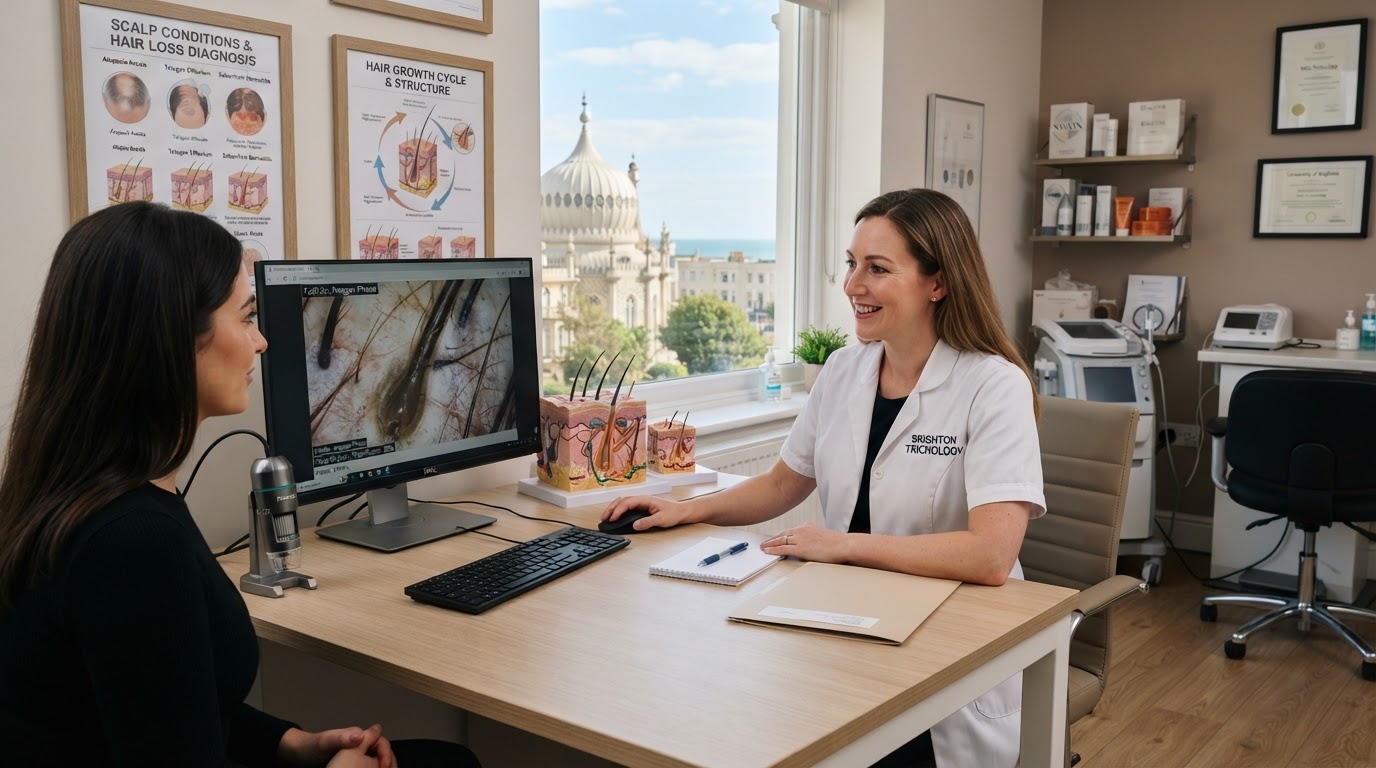
With so much contradictory advice circulating on social media, separating clinical reality from common hair loss myths has never been more difficult. From old wives tales about hats suffocating follicles to predatory adverts promising overnight regrowth from exotic oils, misinformation prevents thousands of individuals from seeking effective care. At 360 Hair Clinic in Brighton and Hove, we believe patient education is the foundation of successful trichological treatment.
1. Myth: Wearing Hats and Caps Causes Hair Loss by Suffocating Follicles
Among the most enduring common hair loss myths is the belief that wearing baseball caps, beanies, or work helmets cuts off oxygen to your hair follicles and triggers premature baldness.
In biological reality, hair follicles do not absorb oxygen from the outside air. Follicular nutrition, oxygenation, and cellular waste removal are governed entirely by the microscopic microvascular blood vessels supplying the dermal papilla beneath the skin.
The only scenario where headwear harms hair is traction alopecia from excessively tight hats or headbands that physically pull on root anchors. Normal, comfortable headwear is completely safe and does not cause male or female pattern baldness.
2. Myth: Washing Hair Frequently Accelerates Thinning and Shedding
Many people who notice thinning reduce their hair washing frequency, fearing that shampooing pulls healthy hairs out by the roots. This is another classic example of common hair loss myths confusing correlation with causation.
The hairs dislodged in the shower basin were already in the telogen resting phase and detached from their dermal blood supply weeks earlier. Water pressure and lathering simply release hairs that were already destined to shed within days.
In fact, infrequent washing allows sebum, dead skin cells, and microbial organisms like Malassezia yeast to build up on the scalp. This accumulation triggers inflammation and worsens conditions like seborrhoeic dermatitis, potentially increasing hair loss.
3. Myth: Frequent Haircuts or Shaving Make Hair Grow Back Thicker
Generations of parents have advised their teenagers to shave their heads or trim hair frequently to encourage thicker, stronger regrowth. Despite its popularity, this remains one of the most pervasive common hair loss myths.
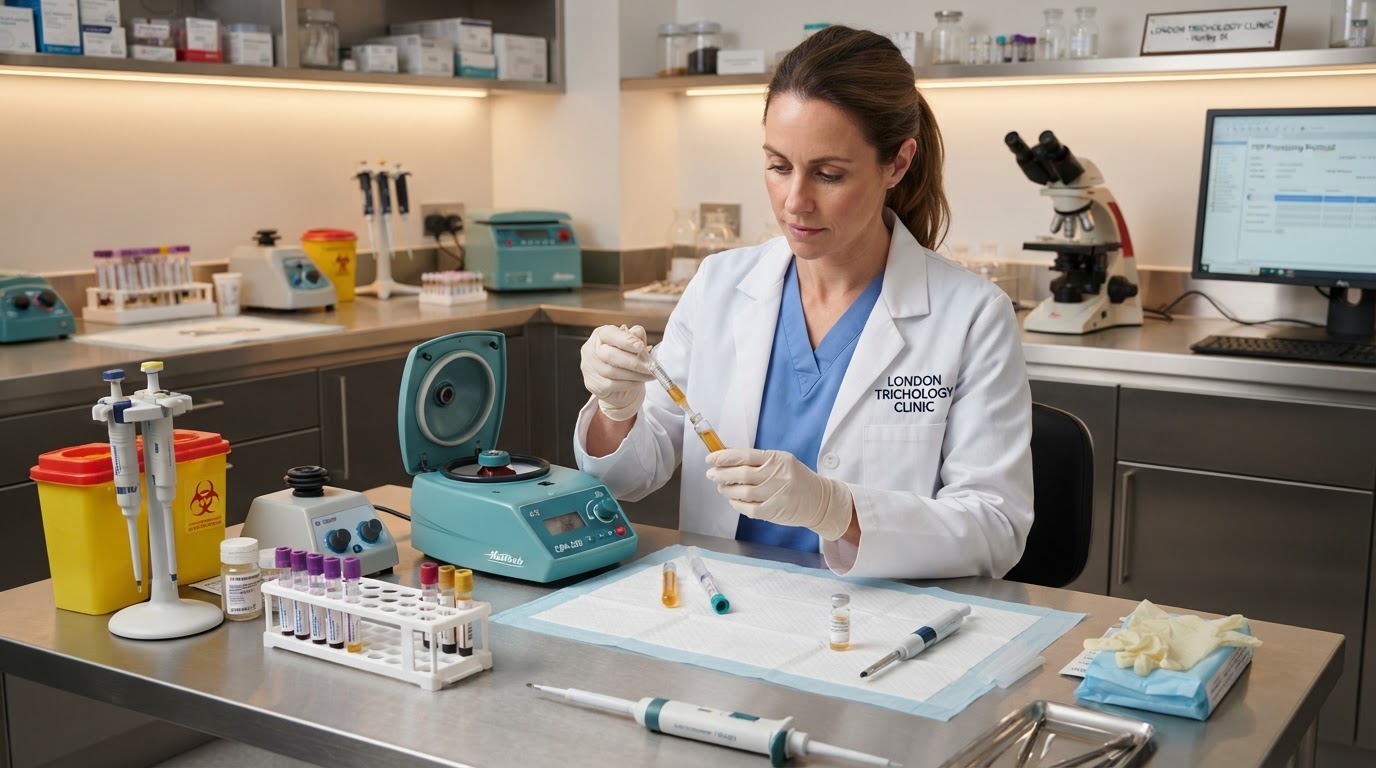
Hair shafts are composed of non-living keratinised protein fibres. Cutting the ends has zero biological communication with the active follicle matrix buried four millimetres below the skin surface.
Short hair feels temporarily coarser and thicker immediately after cutting because the blunt, squared-off cut edge replaces the naturally tapered tip of the hair shaft. Once the hair lengthens, its original diameter and density remain completely unchanged.
4. Myth: Hair Thinning is Exclusively a Male Genetic Concern
Society frequently portrays baldness as an exclusively male problem, yet clinical statistics reveal that over 50 percent of women experience noticeable hair thinning by age 50. Female pattern hair loss is widespread and often carries heavy psychological stress.
Dermatological organisations like the British Association of Dermatologists highlight that hormonal changes during postpartum recovery, perimenopause, and menopause frequently unmask genetic follicle sensitivity in women.
Believing this myth causes many women to suffer in silence or feel ashamed. In our Brighton clinic, women represent a significant proportion of our patients, achieving excellent results through non-surgical regenerative protocols and bespoke nutritional support.
5. Myth: Over-the-Counter Shampoos Can Cure Genetic Hair Loss
Cosmetic retail brands spend millions promoting shampoos containing caffeine, biotin, or botanical extracts as miracle cures for hair thinning. This sits at the very heart of commercially driven common hair loss myths.
Shampoo remains in contact with the scalp for merely one to two minutes before being rinsed away. This brief contact time is biologically insufficient for active ingredients to penetrate the scalp barrier and counteract intracellular dihydrotestosterone (DHT).
While a medicated shampoo is valuable for resolving scalp flaking and maintaining balanced pH, it cannot reverse genetic miniaturisation. Genuine restoration requires medical therapies that target follicular biochemistry from within.
6. Myth: Hair Loss Genes Only Pass Down from Your Mother's Father
The belief that your hair density is determined solely by your maternal grandfather is one of the most widespread common hair loss myths taught in schoolyard genetics.
Modern genomic sequencing reveals that androgenetic alopecia is polygenic, involving dozens of genetic loci distributed across both maternal and paternal chromosomes. While the androgen receptor gene is located on the X chromosome inherited from your mother, numerous autosomal genes from your father play an equally decisive role.
If your father, uncles, or paternal grandparents experienced premature hair loss, your genetic susceptibility is heightened regardless of your maternal grandfather's hairline.
7. Myth: Once Thinning Begins, Follicles Are Dead and Nothing Works
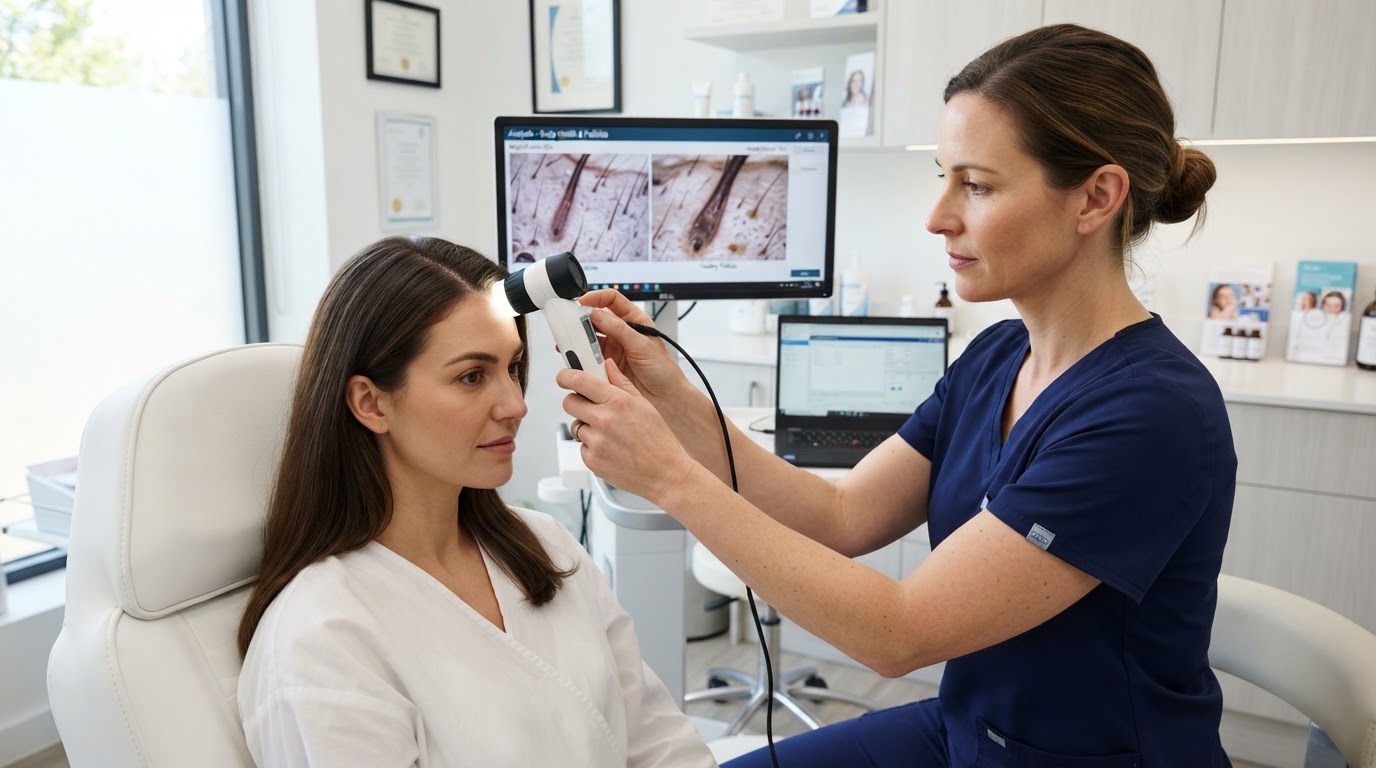
Perhaps the most harmful myth is the assumption that nothing can be done once hair begins to thin. Follicles do not die overnight; they undergo a slow, gradual miniaturisation process that can take five to ten years to reach total dormancy.
Guidance from the NHS hair loss clinical portal confirms that early medical intervention can stabilise hair loss and stimulate substantial regrowth. Miniaturised follicles retain the capacity to produce robust terminal hairs when stimulated with therapies such as PRP, clinical laser therapy, and bespoke topical treatments.
Even in areas with advanced hair loss, modern FUE surgical hair transplants can relocate healthy, DHT-resistant follicles from the donor area to restore natural density permanently.
- Miniaturised follicles are asleep and weakened, not dead, making early recovery entirely possible.
- Multimodal treatments combining laser therapy, PRP, and medical topicals produce compounding clinical results.
- 360 Hair Clinic has successfully treated over 30,000 patients in Brighton and Hove since 2012.
Explore Related Clinic Treatments & Causes
Our Brighton trichologists recommend learning more about the diagnoses, medical protocols, and surgical options available at 360 Hair Clinic:
Authoritative Medical Resources
For further clinical and dermatological guidance on hair loss conditions in the UK, consult these leading medical authorities:
Personalised Guidance for Your Scalp
Dispelling common hair loss myths allows you to make calm, evidence-based decisions about your hair restoration. Relying on salon lore or viral marketing only delays the targeted treatment your follicles need. If you are experiencing thinning or scalp changes, speak directly with the qualified specialists at 360 Hair Clinic in Brighton and Hove. Our free consultations provide objective diagnostic answers with zero sales pressure.

Sophie Humphrey
Lead Consultant & Trichologist, 360 Hair Clinic
Sophie Humphrey is the lead trichological consultant at 360 Hair Clinic in Brighton and Hove. With over a decade of clinical experience and more than 30,000 treatments overseen, she specialises in multi-therapeutic hair retention, autologous PRP, laser therapy, and trichoscopic scalp diagnostics.
Read Next
Everything you need to know
Common questions about hair loss treatment at 360 Hair Clinic.
Most of our treatments are virtually pain-free. Our PRP therapy uses controlled single sub-dermal injections rather than painful mesotherapy guns, and laser therapy is completely non-invasive. We discuss comfort and any concerns at your consultation.
Hair growth cycles are gradual. Most patients begin to notice visible improvements within 3 to 6 months, with fuller results at 9 to 12 months. We review your progress with clinical photography every 3 months to track your response.
There is no upper age limit for benefiting from treatment. As long as there is active hair follicle function, our trichologist-led protocols can help. Your bespoke plan is tailored to your individual circumstances regardless of age.
We offer treatments from £25 and will always discuss options that fit your schedule and budget during your free consultation. There is no pressure to purchase, and we only recommend what is right for you.
Yes. PRP (Platelet-Rich Plasma) uses your own blood, so there is no risk of allergic reaction. Our experienced trichologist uses precise, controlled injection techniques in a clinical environment to ensure safety and optimal results.
Not necessarily. Many patients respond well to non-surgical treatments. If surgery is the best option, we partner with highly experienced surgeons in the UK and Istanbul and manage your entire journey from quote to post-op care.