
5 Early Signs You Should See a Trichologist for Hair Loss
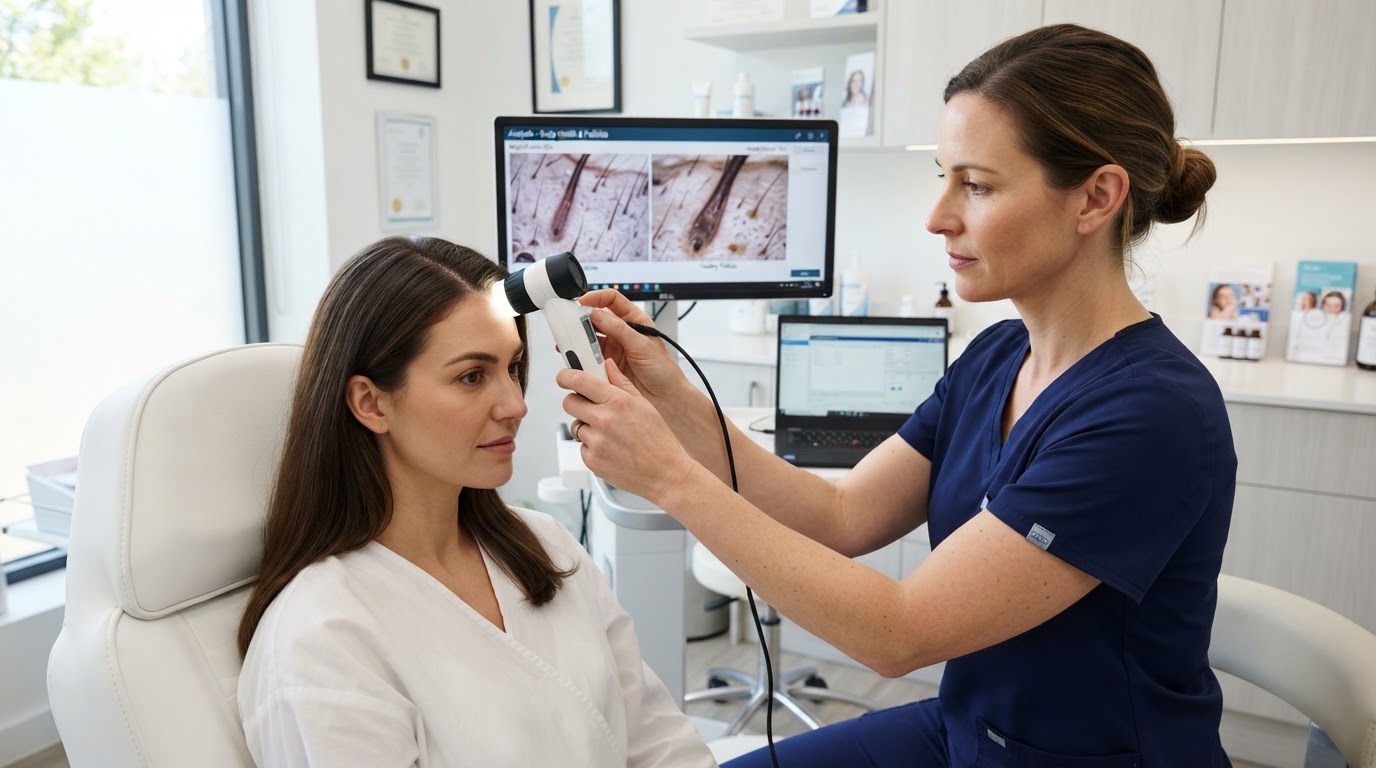
Knowing the definitive signs you should see a trichologist can mean the difference between reversing early thinning and dealing with permanent follicle loss. Hair shedding is often dismissed as simple stress or temporary seasonal change, leading many people to spend hundreds of pounds on ineffective cosmetic shampoos. At 360 Hair Clinic in Brighton and Hove, we consistently see that patients who seek qualified trichological advice early achieve far superior, long-lasting outcomes.
1. Sustained Daily Shedding Exceeding Normal Telogen Counts
Healthy individuals naturally shed between 50 and 100 telogen hairs each day as part of the natural hair growth cycle. However, when shedding noticeably escalates and persists for more than four to six weeks, this is one of the earliest signs you should see a trichologist.
You may notice large clumps accumulating in the shower trap, substantial hair left on your pillow each morning, or your hairbrush filling up twice as quickly. This sudden diffuse shedding often indicates acute telogen effluvium triggered by systemic illness, hormonal shifts, nutritional deficiencies, or emotional trauma.
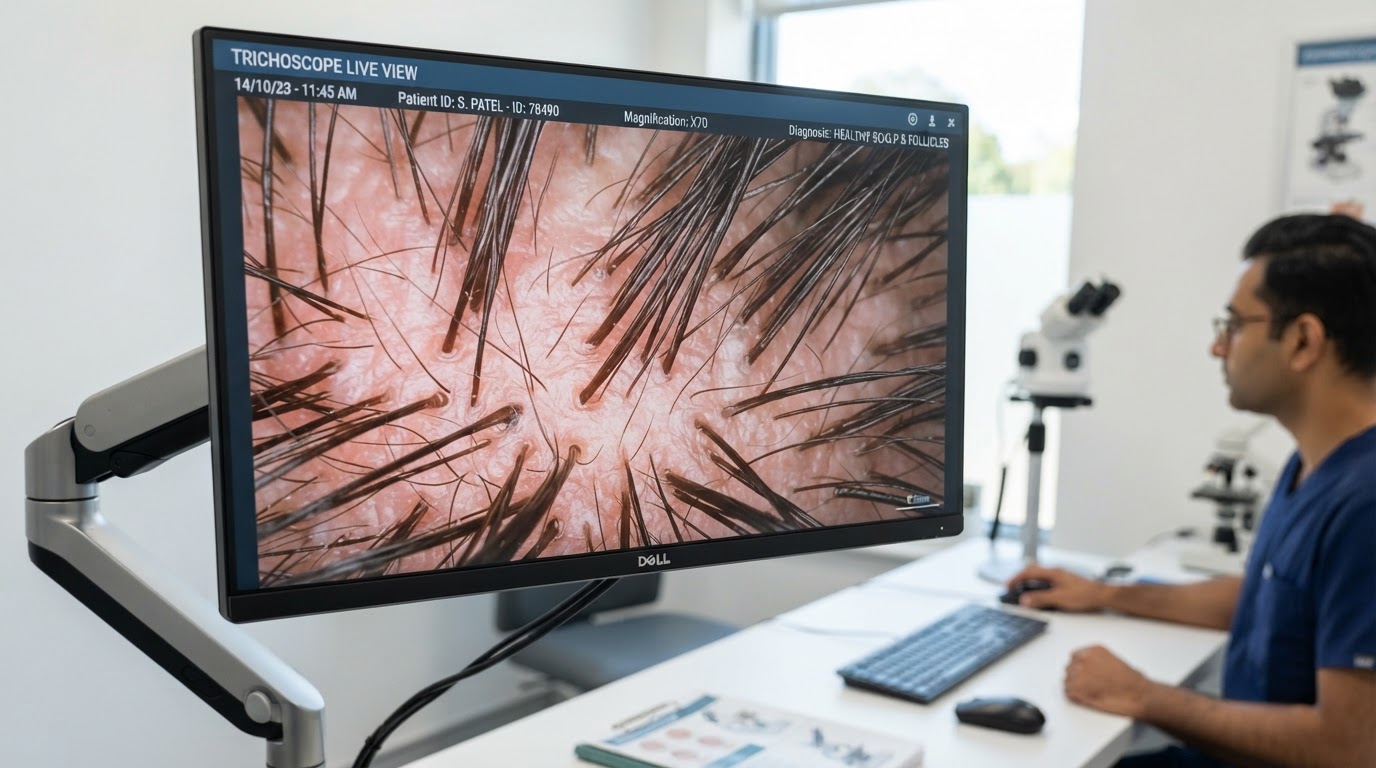
An experienced trichologist conducts specialised digital trichoscopy and arranges targeted blood tests to identify the precise underlying trigger rather than relying on guesswork.
2. Receding Hairline, Temple Loss, or a Progressively Widening Parting
Unlike temporary diffuse shedding, progressive changes in the geometry of your hairline or parting point toward androgenetic alopecia. In men, pattern thinning typically begins with bitemporal recession followed by crown thinning.
In women, female pattern hair loss usually presents as a diffuse reduction in density along the central part line, often referred to as a Christmas tree pattern, while the frontal hairline is frequently preserved. If you notice your scalp becoming increasingly visible under bathroom lighting, professional assessment is crucial.
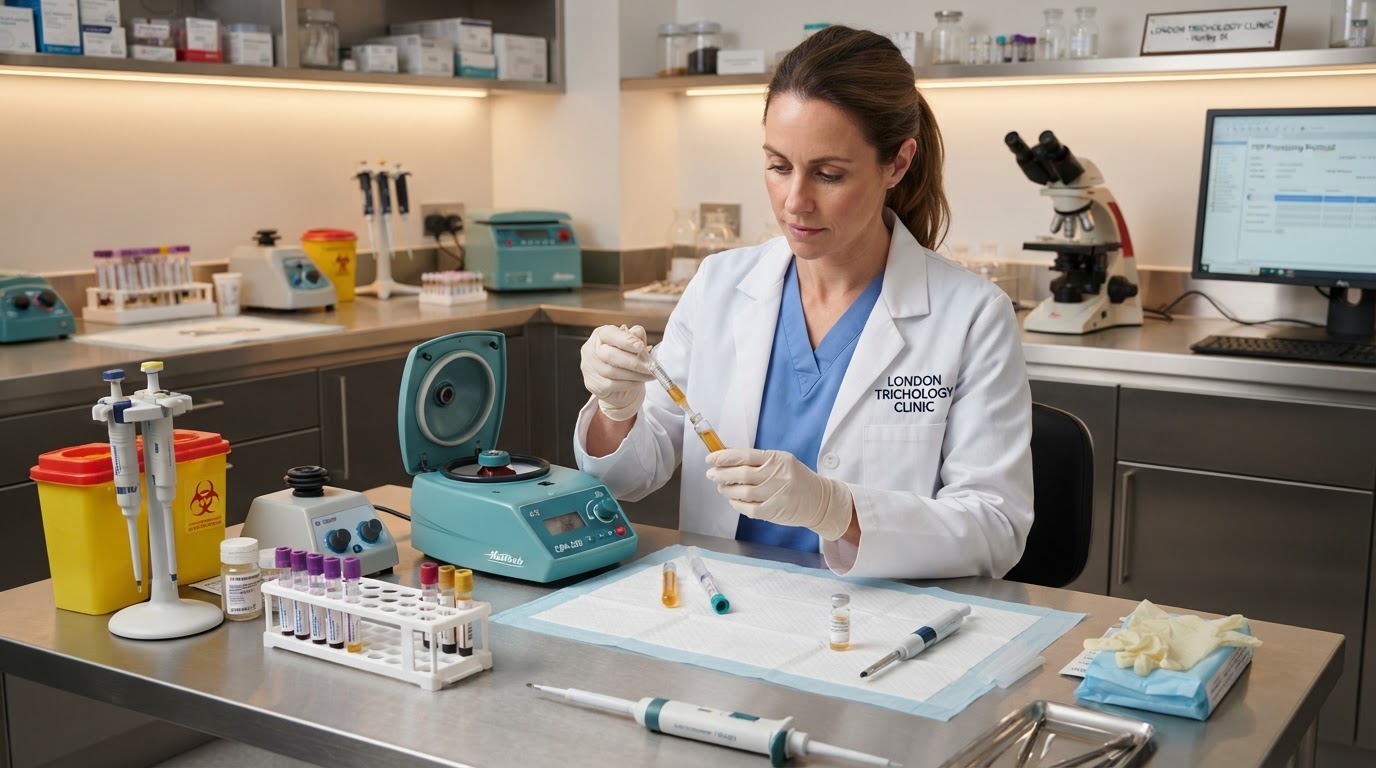
Because miniaturised follicles gradually shrink under the influence of dihydrotestosterone (DHT), timely intervention with clinical laser therapy, PRP, or bespoke topical formulations can prevent complete follicle dormancy.
- Male hairline recession at the temples or gradual thinning across the vertex crown.
- Female widening part line with visible scalp under bright overhead lights.
- Reduced ponytail thickness or loss of overall hair density when styling.
3. Persistent Scalp Irritation, Itching, Flaking, or Tenderness
Hair health is inseparable from scalp health. If you experience persistent itching, burning sensations, painful tenderness, or heavy flaking, these are critical signs you should see a trichologist without delay.
Conditions such as seborrhoeic dermatitis, scalp psoriasis, folliculitis, or lichen planopilaris create chronic inflammation around the hair bulb. Left untreated, inflammatory scalp disorders can disrupt follicle anchorage and, in severe cases, cause irreversible cicatricial (scarring) alopecia.
Official medical guidelines from the NHS hair loss resources advise that any painful or scarring scalp symptoms require immediate professional clinical evaluation. Our Brighton clinic provides in-depth scalp analysis and targeted anti-inflammatory regimens.
4. Noticeable Texture Changes and Progressive Hair Shaft Miniaturisation
Hair loss does not only involve shedding. Often, the hair strands themselves undergo structural degradation, growing in progressively finer, shorter, and less pigmented.
If your hair feels noticeably limp, refuses to hold its usual style, or breaks easily along the shaft, follicle miniaturisation is likely underway. Trichologists use polarised digital microscopes to measure hair shaft diameter variability across different scalp zones.
A variance of more than 20 percent between the occipital donor area and the frontal vertex confirms active miniaturisation, enabling us to prescribe targeted restorative treatments before follicles become fibrotic.

5. Frustration with Over-the-Counter Shampoos, Serums, and Supplements
One of the most frequent signs you should see a trichologist is having spent months testing high street caffeine shampoos, biotin gummies, and viral serums with zero discernible improvement.
Over-the-counter cosmetic products cannot alter genetic sensitivity to hormones or resolve internal micronutrient deficiencies. Continuing to rely on unproven remedies allows progressive follicle miniaturisation to advance unchecked.
A qualified trichologist provides objective diagnostic clarity. We examine your complete medical background, family history, and nutritional markers to construct a scientifically validated, multi-therapeutic treatment plan tailored to your scalp.
- Stop wasting money on generic hair growth oils and cosmetic miracle shampoos.
- Gain an exact clinical diagnosis backed by high-resolution scalp trichoscopy.
- Access medically supervised therapies including PRP, laser therapy, and bespoke topical solutions.
Explore Related Clinic Treatments & Causes
Our Brighton trichologists recommend learning more about the diagnoses, medical protocols, and surgical options available at 360 Hair Clinic:
Authoritative Medical Resources
For further clinical and dermatological guidance on hair loss conditions in the UK, consult these leading medical authorities:
Personalised Guidance for Your Scalp
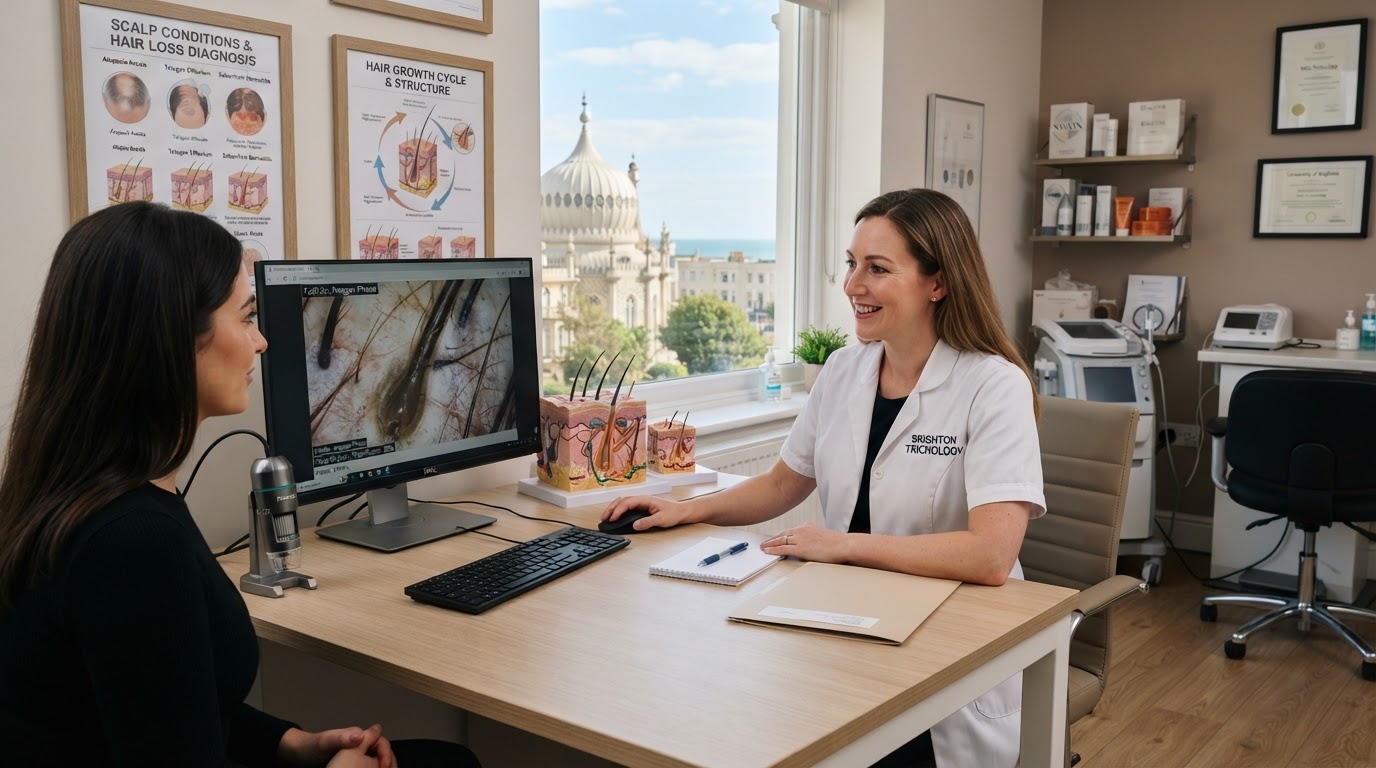
Recognising these signs you should see a trichologist empowers you to take decisive control of your hair journey. Early assessment is the single most reliable predictor of successful hair retention and regrowth. At 360 Hair Clinic in Brighton and Hove, our trichologists provide comprehensive, empathetic consultations in a welcoming private clinic setting. Book your free consultation today to uncover the root cause of your hair concerns.
Sophie Humphrey
Lead Consultant & Trichologist, 360 Hair Clinic
Sophie Humphrey is the lead trichological consultant at 360 Hair Clinic in Brighton and Hove. With over a decade of clinical experience and more than 30,000 treatments overseen, she specialises in multi-therapeutic hair retention, autologous PRP, laser therapy, and trichoscopic scalp diagnostics.
Read Next
Everything you need to know
Common questions about hair loss treatment at 360 Hair Clinic.
Most of our treatments are virtually pain-free. Our PRP therapy uses controlled single sub-dermal injections rather than painful mesotherapy guns, and laser therapy is completely non-invasive. We discuss comfort and any concerns at your consultation.
Hair growth cycles are gradual. Most patients begin to notice visible improvements within 3 to 6 months, with fuller results at 9 to 12 months. We review your progress with clinical photography every 3 months to track your response.
There is no upper age limit for benefiting from treatment. As long as there is active hair follicle function, our trichologist-led protocols can help. Your bespoke plan is tailored to your individual circumstances regardless of age.
We offer treatments from £25 and will always discuss options that fit your schedule and budget during your free consultation. There is no pressure to purchase, and we only recommend what is right for you.
Yes. PRP (Platelet-Rich Plasma) uses your own blood, so there is no risk of allergic reaction. Our experienced trichologist uses precise, controlled injection techniques in a clinical environment to ensure safety and optimal results.
Not necessarily. Many patients respond well to non-surgical treatments. If surgery is the best option, we partner with highly experienced surgeons in the UK and Istanbul and manage your entire journey from quote to post-op care.